

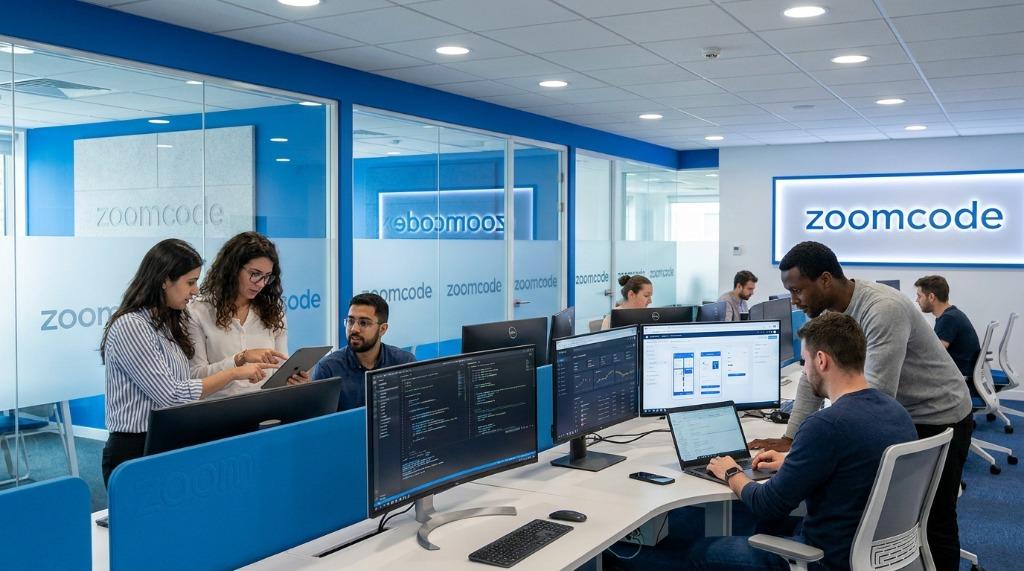
How we take a product from a whiteboard sketch to a live, production-grade MVP in a single quarter — without cutting the corners that matter.
Key takeaways
- An MVP tests your riskiest assumption — it isn't a smaller product.
- Weekly demos and vertical slices keep the build honest and shippable.
- By week 14 you should have real users, not a prototype.
Most MVPs fail not because the idea was wrong, but because the team spent three months building the wrong slice of it. A good MVP isn't a smaller product — it's the smallest thing that proves the riskiest assumption.
Start with the riskiest assumption
Before a line of code, we write down the one belief that, if false, kills the product. Everything in the first build exists to test that belief — and nothing else makes the cut for v1.
- Define the single metric that proves the assumption
- Cut every feature that doesn't move it
- Agree on what 'done' looks like up front
Build in tested increments
Weekly demos keep everyone honest. Senior engineers ship vertical slices — real, deployable features — instead of horizontal layers that only come together at the end.
The fastest way to a great product is a short feedback loop with real users.
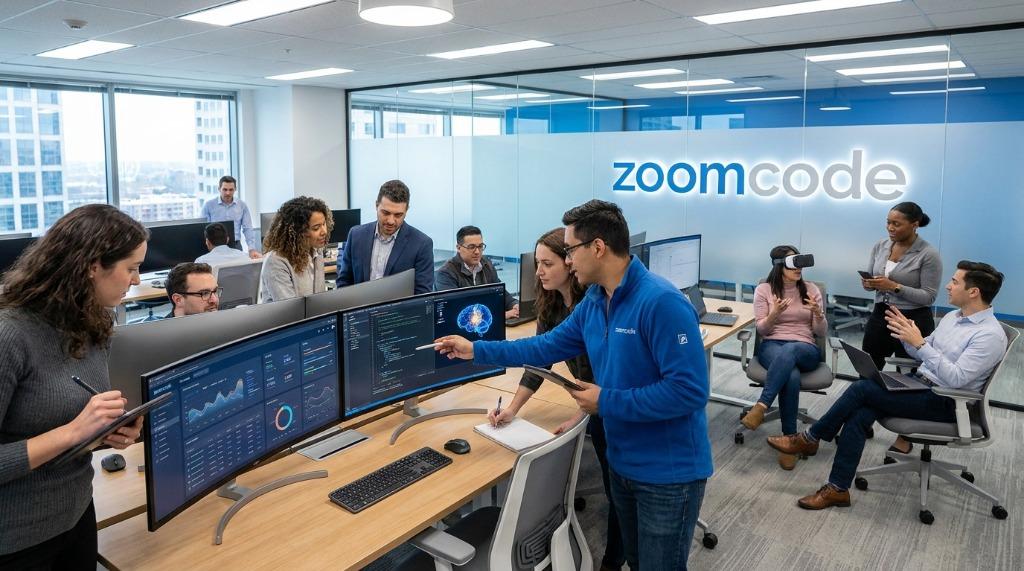
Ship to real users early
By week fourteen you don't have a prototype — you have a product in users' hands, with the data to decide what to build next. That data is worth more than any amount of internal debate.
Frequently asked questions
The smallest version of your product that proves the riskiest assumption with real users — not a feature-light copy of the full vision.
It depends on scope, but a focused MVP with a senior team typically lands in the $50k–$150k range. We scope each one individually and share a clear proposal first.
You use the data from real users to decide what to build next — we then iterate on the roadmap with you, or hand off a clean codebase to your team.
Written by Priya Sharma
Product Lead at Zoomcode