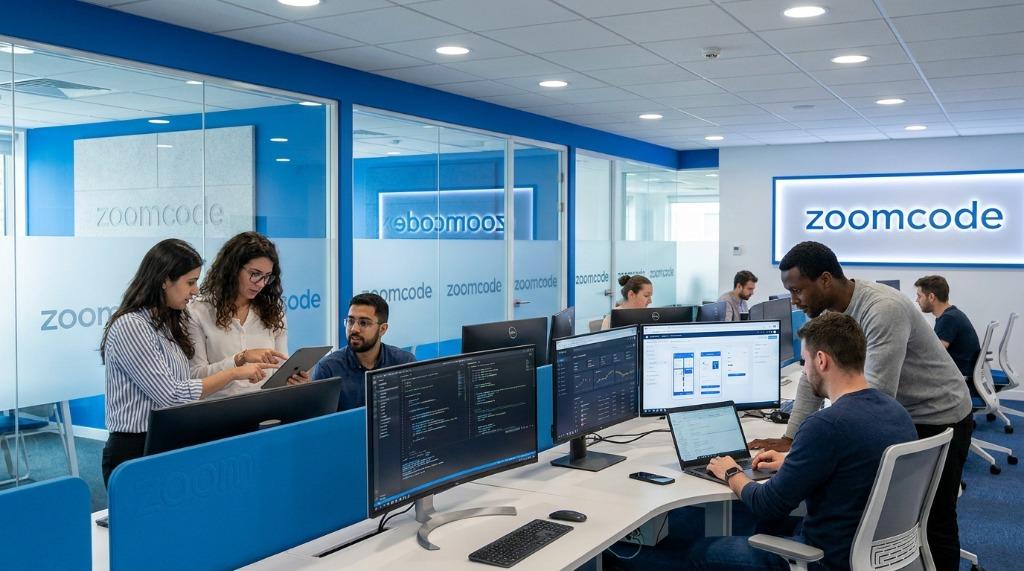


Smaller teams of experienced engineers consistently outperform larger mixed teams. The counter-intuitive economics of seniority.
Key takeaways
- Seniors make better architecture calls early — and that compounds.
- Less code means fewer bugs and faster change.
- A senior team costs more per head and less per outcome.
Adding people to a late project makes it later — and adding juniors to a hard problem rarely makes it easier. Seniority changes the math.
Fewer hand-offs, fewer bugs
Experienced engineers make better architectural decisions early, which compounds. They also write less code to solve the same problem — and less code means fewer bugs.
The best line of code is the one you didn't need to write.

The economics of seniority
A senior team costs more per head and less per outcome. That's the trade we make on every project — and it's why we don't staff juniors on your budget.
Frequently asked questions
Per head, yes. Per outcome, no — fewer people, fewer bugs and fewer hand-offs usually make a senior team cheaper to the finish line.
Not on client budgets. We staff senior specialists who've shipped the problem before, so you're not paying for on-the-job learning.
Written by Marcus Hale
Principal Engineer at Zoomcode